
Creating the Perfect Natural Aquascape for Your Home Aquarium

Setting up a natural aquascape transforms a simple aquarium into a living piece of art. It brings a slice of nature indoors, offering a peaceful and visually stunning environment for both fish and viewers. Crafting this kind of aquascape requires more than just placing plants and rocks—it involves thoughtful design, understanding aquatic ecosystems, and attention to detail. This guide walks you through the essential steps to create a natural aquascape that thrives and captivates.
Choosing the Right Aquarium and Location
Start with selecting an aquarium size that fits your space and goals. Larger tanks offer more room for creativity and stability in water parameters but require more maintenance. A 20 to 40-gallon tank is a good starting point for beginners aiming for a natural look.
Place the aquarium where it can be easily viewed but away from direct sunlight. Too much sunlight encourages algae growth and can disrupt the balance of your aquascape. Ensure the location has access to power outlets for lighting and filtration equipment.
Selecting Substrate and Hardscape Materials
The substrate forms the foundation of your aquascape. Natural aquascapes often use fine gravel or sand that mimics riverbeds or lake bottoms. Choose substrates that support plant growth if you plan to include rooted plants.
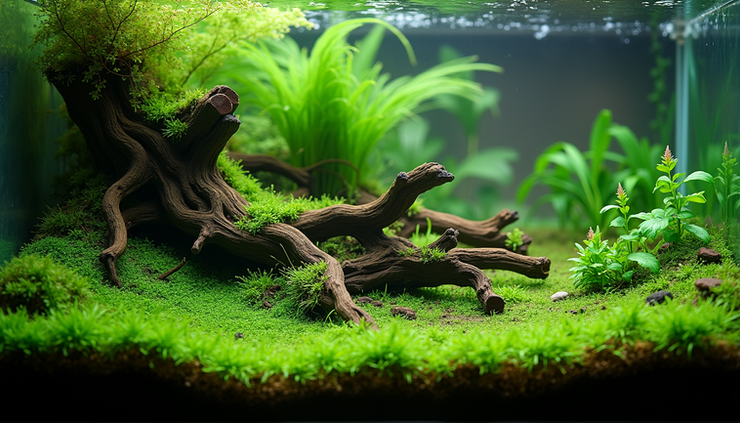
Hardscape materials like rocks and driftwood create structure and focal points. Use natural stones such as slate, granite, or lava rock. Driftwood adds texture and provides hiding spots for fish. Arrange these elements to create depth and visual interest, following principles like the rule of thirds or the golden ratio for balance.
Picking Aquatic Plants for a Natural Look
Plants are the heart of a natural aquascape. Select species that suit your tank size, lighting, and water conditions. Popular choices include:
Java Fern: Hardy and low-maintenance, attaches to rocks and wood.
Anubias: Slow-growing with broad leaves, thrives in low light.
Cryptocoryne: Offers a variety of leaf shapes and colors.
Dwarf Hairgrass: Creates a grassy carpet effect.
Arrange plants in layers, with taller species at the back and shorter ones in front. This layering adds depth and mimics natural aquatic environments.
Setting Up Filtration and Lighting
A clean and healthy environment depends on proper filtration. Choose a filter that provides mechanical, biological, and chemical filtration suitable for your tank size. Canister filters are popular for natural aquascapes due to their efficiency and quiet operation.
Lighting should support plant growth without promoting excessive algae. LED lights with adjustable intensity and spectrum are ideal. Aim for 8 to 10 hours of light daily, adjusting based on plant needs and algae control.

Introducing Fish and Invertebrates
Choose fish and invertebrates that complement your natural aquascape. Small schooling fish like neon tetras or rasboras add movement without disturbing plants. Shrimp and snails help control algae and clean the substrate.
Avoid overstocking to maintain water quality and reduce stress on inhabitants. Research species compatibility and their environmental needs before adding them to your tank.
Maintaining Your Natural Aquascape
Regular maintenance keeps your aquascape healthy and beautiful. Key tasks include:
Water changes: Replace 20-30% of water weekly to remove waste and replenish minerals.
Pruning plants: Trim overgrown plants to maintain shape and prevent decay.
Cleaning substrate and glass: Use a gravel vacuum and algae scraper as needed.
Monitoring water parameters: Test for pH, ammonia, nitrites, and nitrates regularly.
Patience is essential. Natural aquascapes evolve over time as plants grow and fish settle in.


Comments