
Essential Tips for Water Changes and Fertilization in Your Planted Tank
- Pooja Blessings
- 20 hours ago
- 2 min read

Maintaining a planted aquarium can be a rewarding hobby, but it requires attention to detail, especially when it comes to water changes and fertilization. These two factors play a crucial role in keeping your aquatic plants healthy and vibrant. Neglecting either can lead to algae growth, nutrient deficiencies, or poor plant development. This guide offers practical advice to help you manage water quality and nutrient levels effectively, ensuring your planted tank thrives.

Why Water Changes Matter in a Planted Tank
Water changes remove excess nutrients, waste, and toxins that build up over time. Without regular water changes, harmful substances like nitrates and phosphates can accumulate, encouraging algae growth and stressing plants and fish. Clean water also helps maintain stable pH and hardness levels, which are essential for plant nutrient uptake.
How Often to Change Water
Change 20-30% of the tank water weekly or biweekly.
For heavily planted tanks with fish, weekly changes are best.
For low-stock or fishless tanks, biweekly changes may suffice.
Tips for Effective Water Changes
Use a gravel vacuum to remove debris from the substrate.
Match the temperature and pH of new water to the tank to avoid shock.
Avoid changing too much water at once, which can disrupt the tank’s balance.
Understanding Fertilization Needs
Plants require nutrients like nitrogen, phosphorus, potassium, and trace elements to grow. Fertilizers supply these nutrients, especially in tanks with dense plant growth or limited fish waste. Without proper fertilization, plants may show yellowing leaves, stunted growth, or holes.
Types of Fertilizers
Liquid fertilizers: Easy to dose, provide nutrients directly to water.
Root tabs: Placed in substrate, ideal for root-feeding plants like swords and crypts.
CO2 supplements: Enhance plant growth but require careful monitoring.
How to Fertilize Correctly
Follow manufacturer instructions for dosing.
Start with lower doses and increase gradually.
Observe plant response and adjust accordingly.
Avoid over-fertilizing, which can cause algae blooms.
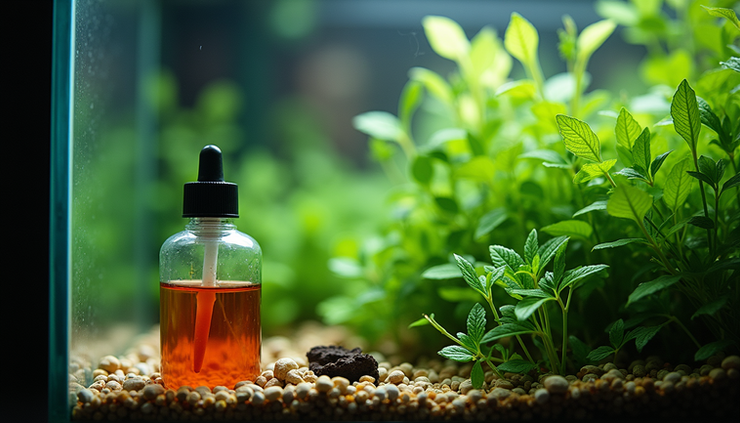
Combining Water Changes and Fertilization for Best Results
Balancing water changes and fertilization is key. Water changes reduce excess nutrients, while fertilization replenishes what plants consume. Here’s how to combine both effectively:
Perform water changes before fertilizing to remove waste and reset nutrient levels.
Dose fertilizers after water changes to provide fresh nutrients.
Monitor water parameters like nitrate and phosphate to avoid excesses.
Adjust fertilization based on plant growth and tank conditions.
Signs Your Tank Needs Attention
Algae growth increasing despite water changes.
Yellowing or transparent leaves.
Slow or no plant growth.
Fish showing signs of stress.
If you notice these, review your water change schedule and fertilization routine. Sometimes increasing water changes or adjusting fertilizer doses can restore balance.



Comments