
Top Mistakes to Avoid for a Successful Planted Aquarium Setup

Setting up a planted aquarium can be a rewarding hobby, but many beginners face challenges that can lead to frustration or failure. Avoiding common mistakes early on will save time, money, and effort while creating a thriving underwater garden. This guide highlights key errors to watch for and practical tips to help your planted aquarium flourish.
Choosing the Wrong Substrate
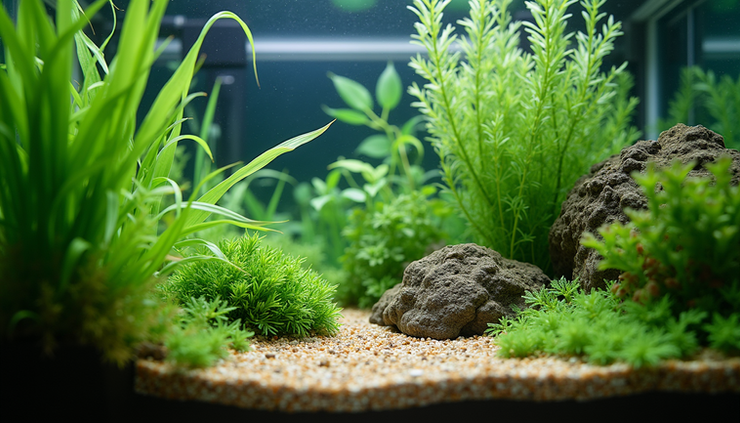
The substrate forms the foundation of your planted aquarium. Many beginners pick gravel or sand without considering plant needs. Unlike decorative gravel, a nutrient-rich substrate supports root growth and provides essential minerals.
Avoid plain gravel or inert sand alone; they lack nutrients.
Use substrates designed for planted tanks, such as laterite, aqua soil, or enriched plant substrates.
Layering can help: place nutrient-rich substrate below a thin layer of inert gravel for aesthetics and plant health.
Without proper substrate, plants struggle to root and absorb nutrients, leading to poor growth or death.
Overlooking Lighting Requirements
Lighting is crucial for photosynthesis and plant health. A common mistake is using aquarium lights designed only for fish tanks, which often lack the intensity or spectrum plants need.
Choose full-spectrum LED or fluorescent lights labeled for planted aquariums.
Match light intensity to plant types: low-light plants need less intense lighting, while demanding species require stronger light.
Maintain a consistent photoperiod, usually 8 to 10 hours daily, to avoid algae growth.
Too little or too much light can cause plants to yellow, melt, or encourage algae blooms.
Ignoring CO2 and Nutrient Balance
Plants need carbon dioxide and nutrients to thrive. Beginners often neglect CO2 supplementation or overfeed fertilizers, upsetting the tank’s balance.
Consider adding CO2 injection for medium to high-light tanks; it boosts plant growth significantly.
Use liquid fertilizers or root tabs based on plant species and substrate type.
Monitor water parameters regularly to avoid nutrient deficiencies or excesses that promote algae.
Balancing CO2 and nutrients prevents stunted growth and keeps algae under control.

Overcrowding and Poor Plant Selection
Trying to fill the tank quickly with many plants can backfire. Overcrowding limits light and nutrients for each plant, causing competition and stress.
Start with a few hardy species suited to your tank conditions.
Research plant growth rates and mature sizes to avoid overcrowding.
Space plants to allow light penetration and water flow.
Choosing plants that match your experience level and tank setup improves success and reduces maintenance.
Neglecting Proper Filtration and Water Flow
Filtration keeps water clean and oxygenated, but too strong or weak flow can harm plants.
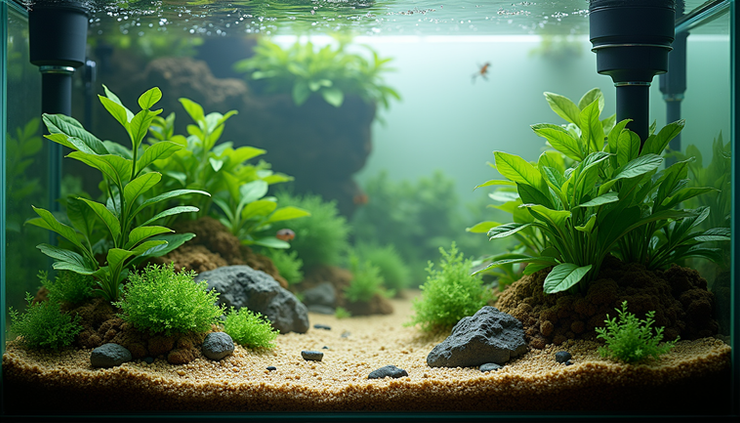
Use filters rated for your tank size that provide gentle but effective circulation.
Avoid direct strong currents on delicate plants to prevent damage.
Regularly clean filters to maintain efficiency without disturbing beneficial bacteria.
Balanced filtration supports healthy plant roots and prevents debris buildup.
Skipping Tank Cycling Before Adding Plants
Many beginners add plants and fish immediately, but skipping the nitrogen cycle causes unstable water conditions.
Cycle your tank for 4 to 6 weeks before adding plants or fish.
Use test kits to monitor ammonia, nitrite, and nitrate levels.
Cycling establishes beneficial bacteria that break down waste and keep water safe.
Proper cycling prevents plant stress and fish health issues.
Inconsistent Maintenance Routine
A planted aquarium requires regular care to stay healthy. Neglecting maintenance leads to algae, nutrient imbalances, and plant decline.
Perform weekly water changes of 20-30% to remove excess nutrients and waste.
Trim dead or overgrown leaves to encourage new growth.
Clean algae from glass and decorations without harming plants.
Consistent care keeps your aquarium stable and visually appealing.


Comments